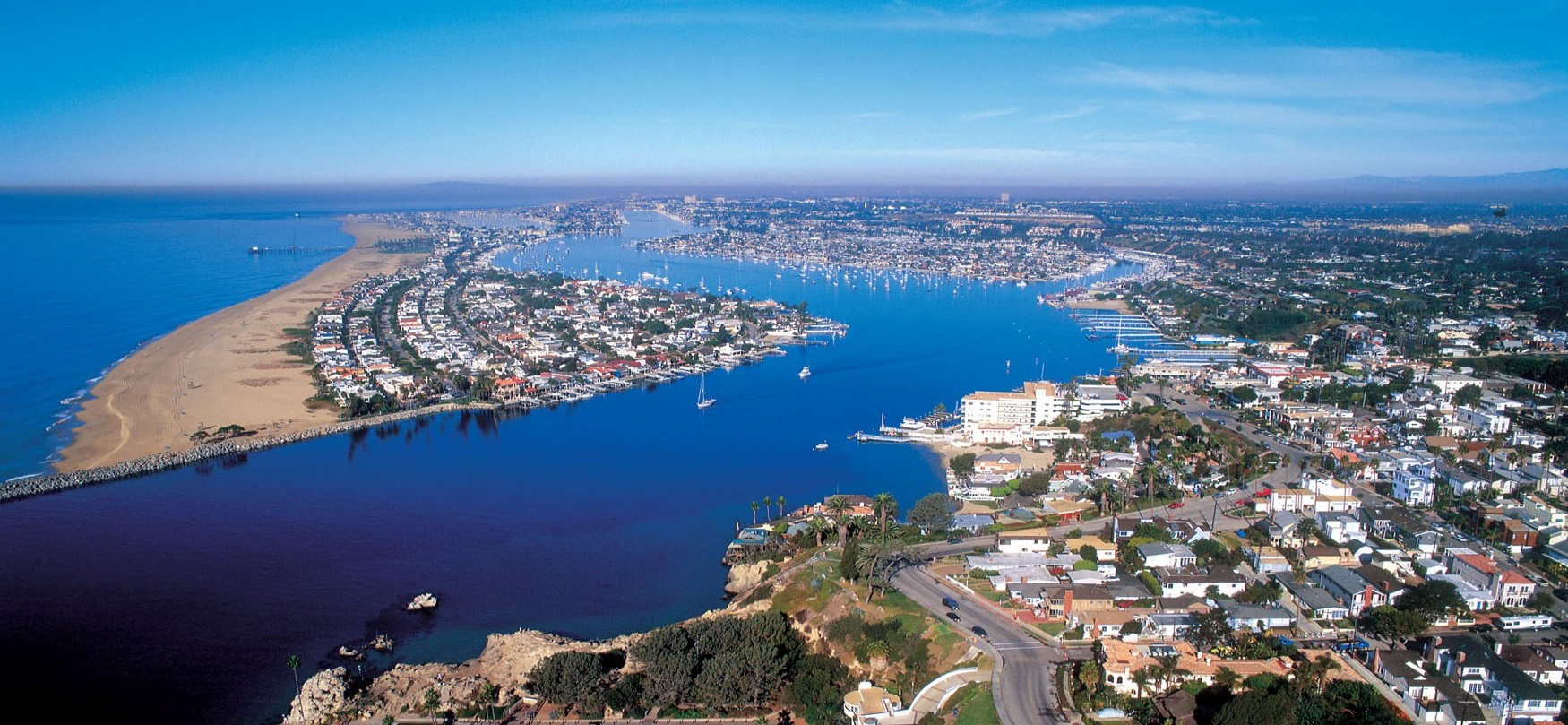


Match a cultural trip to the season and daylight │ Travel and leisure
A rewarding leisure trip starts with a clear sense of what you want from your time away. Each type of break—city, countryside, or beach—calls for a different pace, transport plan, and approach to preparation. Begin by selecting the experience you want, then consider practical questions: when to go, how long to stay, where to stay, and what fits your budget. Travel and leisure is a useful theme for viewing travel as part of a wider interest in recreation and discovery, not simply as a journey from one place to another. The aim is not to keep every hour busy. Plan in a way that leaves time for local experiences, relaxation, and surprises, without making the essential arrangements burdensome.
Create a Thoughtful Leisure Itinerary with Travel and leisure
Choose a destination according to the kind of holiday that would suit you. A compact urban destination suits those who enjoy museums, food, and walking between neighborhoods, while a rural base may be a better choice for hiking and peaceful nights. Season matters as well, because the amount of daylight, local opening hours, and weather can shape what is feasible. Decide on a relaxed daily rhythm before booking activities, with enough time for meals and journeys between locations. When weighing options related to Travel and leisure, think about what each plan offers as an experience, not only how many attractions it lists. A practical itinerary can make it easier to enjoy your trip.
| Planning step | Question to ask | Practical approach |
|---|---|---|
| Picking a destination | Which type of place aligns with your interests and preferred travel pace? | Weigh urban, seaside, and countryside choices against the activities you most enjoy. |
| Set the dates | How could the time of year and available daylight shape your plans? | Check typical conditions and opening patterns before committing to dates. |
| Choose accommodation | Where can you stay to avoid extra journeys during the trip? | Consider the character of the neighborhood, transport links, and your daily plans together. |
| Set out your activities | What level of planning is useful without leaving each day feeling rushed? | Book the key experiences and preserve flexible time for finding local places. |
Once you have chosen where to go, group activities by location rather than crossing town for each individual stop. This simple tactic can save time and bring you to nearby markets, parks, cafés, or small museums that were not central to your first plan. Check timed-entry requirements for popular places, and tell booked activities apart from options you can decide on later. Consider the difficulty of the route and the return time when planning an outdoor excursion. A balanced schedule offers at least one easy activity each day, so a late arrival or a change in the weather will not spoil the whole trip.
- Choose one or two main things to do daily, treating other sights as possibilities instead of obligations.
- Plan close-by sights together, reducing time in transit and opening up opportunities for spontaneous neighborhood discoveries.
- Look up seasonal opening days before making a museum, garden, or guided visit the focus of a day.
- Set aside sufficient time for meals and relaxation, particularly when traveling with children or older companions.
- Keep a rain-friendly backup for outdoor activities, for example a covered market or local gallery.
Start budgeting by separating costs that are set from those you can adjust. The total is most often shaped by getting to the destination and accommodation, with meals, local journeys, and admission fees changing with daily plans. Calculate the expected costs in each category before booking, while keeping a modest buffer for changes and appealing opportunities. Consider all travel expenses, because staying in a cheaper room far from your planned stops may require more fares and time. A Travel and leisure journey offers practical value when the costs can comfortably support the experiences you value.
Make Your Trip Easier to Navigate
Plan how you will arrive and get around as separate parts of your trip. Assess direct and connecting routes by how long the entire trip takes from door to door, not just the advertised main journey time. For a late arrival, check how to get to your lodging and whether public transport is still running. Different distances and requirements call for different options, such as walking, buses, trains, taxis, or rental cars, and the right mix can change daily. Save important booking details for offline access, particularly when traveling in areas where reception may be unreliable. These simple steps may reduce preventable delays while keeping your holiday from becoming overly controlled. For further information, see this link: bestimageevent.com/.
- Map your journey from the station or airport to your accommodation and include a practical option for a late arrival.
- For separately booked transport where you handle your own connections, check baggage policies and transfer durations.
- Consult local transit information to compare walking, day passes, and single fares for your planned journeys.
- Make reservation addresses and confirmation information available offline.
- Check return travel choices before you leave the central area or somewhere you know well for a longer excursion.
Find Activities to Suit Your Travel Style
| Type of trip | Commonly includes | Planning point |
|---|---|---|
| Culture-focused break | Historic districts, museums, shows, and distinctive local dining experiences. | Check visiting times and account for travel between venues that are not close together. |
| Outdoors-oriented holiday | Scenic walks, parks, coastlines, and activities influenced by local conditions. | Select routes appropriate to your fitness and plan an alternative for poor conditions. |
| Restful break | Comfortable lodging, relaxed dining, and a small selection of outings. | Select a well-located base to avoid having to make constant journeys during the day. |
| Family-focused break | Short trips, different kinds of activities, and places with adaptable visiting arrangements. | Include breaks and check age guidance, facilities, and journey duration. |
Before you leave, review the itinerary as a sequence of events rather than as a checklist: arrival, the first meal, getting oriented locally, and the main experiences you hope to have. Check that each day is still realistic after allowing for travel and rest breaks. Give your companions the information they need to see which plans are confirmed and which decisions remain flexible. When plans shift, focus on the most important experiences and let lower-priority stops go. Travel planned around Travel and leisure need not be elaborate to be memorable, as thoughtful timing, appropriate activities, and a little flexibility often separate merely seeing a place from enjoying your stay.