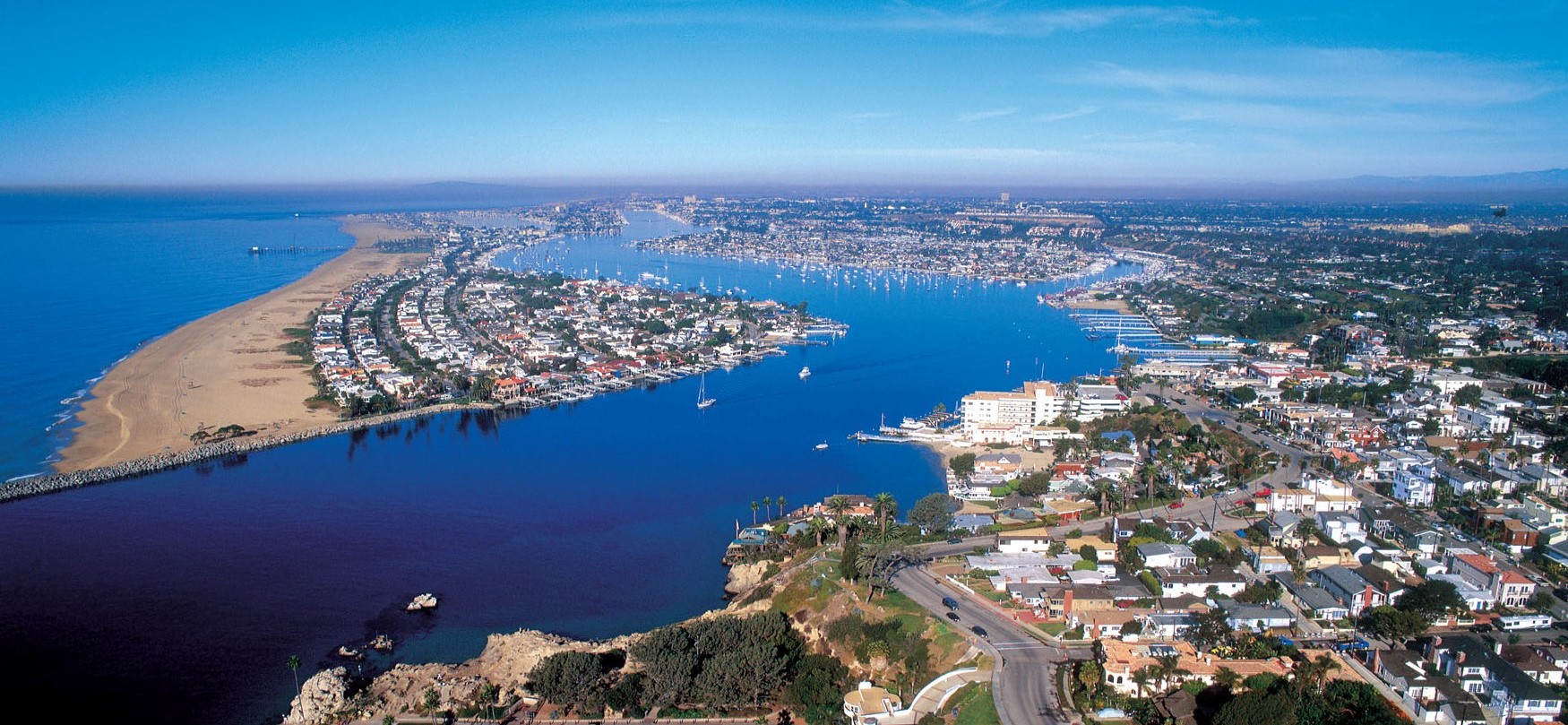


- Remarkable patterns and the lucky wave phenomenon inspire ocean enthusiasts
- The Science Behind Swell Formation
- The Role of Bathymetry and Refraction
- Decoding Swell Patterns and Forecasting
- Utilizing Forecast Tools and Resources
- The Influence of Tides and Wind on Wave Quality
- Analyzing Local Wind Patterns and Their Impact
- The Psychological Aspect of the Lucky Wave
- Beyond Surfing: The Broader Appeal of Anticipated Natural Events
Remarkable patterns and the lucky wave phenomenon inspire ocean enthusiasts
The ocean, vast and unpredictable, holds a timeless fascination for humankind. Stories abound of sailors and surfers experiencing moments of serendipity, of being perfectly positioned to ride an exceptional swell – what many affectionately refer to as a lucky wave. This isn’t simply a matter of chance, however. There’s a complex interplay of meteorological and oceanographic forces that contribute to these memorable experiences, and a growing understanding of the patterns that make them possible. The pursuit of these moments fuels a deep connection with the natural world, inspiring both awe and respect.
For those who spend their lives on or near the water, recognizing the indicators of a potential ‘good’ wave is a skill honed over years of observation. It’s about understanding swell direction, tidal influences, and even subtle changes in wind patterns. Beyond the practical aspects of wave-riding, the concept of a ‘lucky wave’ also touches on a more philosophical realm, a feeling of being in harmony with nature’s power. The ephemeral nature of these opportunities emphasizes the importance of being present and receptive to the ocean’s offerings.
The Science Behind Swell Formation
Understanding how swells are created is fundamental to appreciating the possibility of encountering a particularly rewarding wave. Most swells originate from distant storms, often hundreds or even thousands of miles away. These storms, driven by atmospheric pressure differences, generate wind that transfers energy to the water’s surface. This energy propagates outwards in the form of waves, but crucially, the water itself doesn't travel with the wave; it’s the energy that moves. As these waves travel across the open ocean, they sort themselves by speed, with longer-period waves – those with more energy – traveling faster. This sorting process is essential for creating organized swells. The efficiency of energy transfer depends heavily on storm intensity, duration, and fetch – the distance over which the wind blows consistently in one direction. A larger fetch and longer duration will generally result in a more powerful swell.
The deep-ocean swells are often relatively small and unassuming. It's only when they approach shallower water, closer to the coastline, that they begin to increase in height and steepness. This happens because the wave’s energy is compressed into a smaller volume. The seafloor topography plays a critical role in this process. Underwater canyons, reefs, and sandbars can focus and refract wave energy, creating localized areas of increased wave height and power. This focusing effect explains why certain surf breaks are known for consistently producing larger and more powerful waves than others. Predicting these localized effects requires detailed knowledge of the seafloor and sophisticated wave modeling techniques.
The Role of Bathymetry and Refraction
Bathymetry, the study of underwater depths, is paramount for surfers and marine scientists alike. A detailed bathymetric map of a coastline reveals how waves will interact with the seabed. Submerged ridges can cause waves to steepen and break, while smooth, gently sloping seabeds can allow waves to roll in more gradually. Refraction, the bending of waves as they enter shallower water, is another crucial phenomenon. When a wave encounters an uneven seabed, the part of the wave crest that enters shallower water first slows down, while the rest of the crest continues at the original speed. This difference in speed causes the wave to bend, focusing energy on headlands and into bays. Understanding these principles allows forecasters to predict which areas will receive the most significant wave energy.
| Water Depth | Decreasing depth = increasing wave height & steepness |
| Seabed Topography | Ridges = steeper breaks; Slopes = gentler rolls |
| Refraction | Focuses wave energy on headlands/bays |
| Fetch | Longer fetch = greater energy transfer |
The interplay between swell characteristics, bathymetry, and refraction is incredibly complex, yet essential for understanding the dynamics of wave formation. Expert wave forecasters analyze these factors – often with the help of sophisticated computer models – to predict the conditions conducive to a lucky wave.
Decoding Swell Patterns and Forecasting
Modern wave forecasting relies on a combination of observational data and numerical modeling. Buoys deployed in the open ocean constantly measure wave height, period, and direction, transmitting this data to forecasting centers. Satellite altimetry provides a broader overview of sea surface conditions, detecting swells even in remote areas. These observations are then fed into complex computer models that simulate the propagation of swells, taking into account factors like wind patterns, ocean currents, and seafloor topography. The accuracy of these forecasts has improved dramatically in recent years, allowing surfers to plan their sessions with greater confidence. However, forecasting remains an imperfect science, and unexpected variations can occur. Local knowledge and real-time observations remain invaluable.
Analyzing swell patterns involves understanding the various components that make up a swell. Wave period, the time between successive wave crests, is a key indicator of energy. Longer-period swells generally carry more energy and are less affected by local winds. Swell direction is also crucial, as it determines which coastlines will receive the swell and how it will interact with the seafloor. The angle of incidence – the angle at which the swell approaches the coastline – can significantly affect wave quality. A swell that arrives at a perfect angle will typically produce well-formed, consistent waves. Forecasters also look at swell steepness, which is a measure of how quickly a wave rises and falls. Steeper swells tend to break more quickly and powerfully.
Utilizing Forecast Tools and Resources
Numerous websites and apps provide wave forecasts, ranging from simple charts to detailed analyses. Popular options include Surfline, Magicseaweed, and Windy. These resources typically display wave height, period, direction, wind speed and direction, and tide information. Understanding how to interpret these data is essential for making informed decisions about when and where to surf. Beyond the basic parameters, some forecasts also include information on swell consistency, local wind effects, and potential hazards. Many experienced surfers also rely on local knowledge and observations, supplementing forecast data with their own understanding of the specific break.
- Surfline: Comprehensive forecasts, reports, and webcams.
- Magicseaweed: Detailed swell analysis and forecasts.
- Windy: Visualizes wind patterns and wave forecasts.
- NOAA Marine Forecasts: Official government forecasts for coastal waters.
- Local Surf Reports: Insights from surfers in the area.
By combining the power of modern forecasting tools with traditional observation skills, surfers can greatly improve their chances of scoring a lucky wave.
The Influence of Tides and Wind on Wave Quality
Tides and wind are two critical local factors that can profoundly impact wave quality. Tides, the periodic rise and fall of sea level, influence the depth of the water over submerged reefs and sandbars, affecting how waves break. Different surf breaks often have optimal tide ranges – periods when the tide is at a certain level that produces the best waves. For example, a reef break might work best at mid-tide, while a beach break might prefer a higher tide. Understanding the tidal influence at a specific location is crucial for maximizing your surfing experience. Wind can also play a significant role. Offshore winds – winds that blow from the land towards the sea – can groom waves, creating clean, well-formed faces. Onshore winds – winds that blow from the sea towards the land – can create choppy, disorganized waves.
The interaction between wind and waves is complex. Light offshore winds can enhance wave quality by holding up the breaking section, while strong offshore winds can create barrel formations. However, excessive offshore wind can also over-groom waves, making them too steep and fast. Onshore winds tend to disrupt wave formation, creating messy, closeout conditions. The ideal wind conditions vary depending on the specific break and the type of waves desired. Experienced surfers often consider wind direction and strength alongside swell parameters and tide information when planning their sessions.
Analyzing Local Wind Patterns and Their Impact
Local wind patterns are often influenced by topography and regional weather systems. Coastal areas can experience significant variations in wind speed and direction due to the interaction of air masses with landforms. Understanding these patterns can help surfers anticipate how the wind will affect wave quality. For example, a coastal valley can funnel wind, creating localized areas of stronger winds. Thermal effects, caused by differences in temperature between land and sea, can also generate local wind patterns. Surfers often look for areas that are sheltered from onshore winds or exposed to offshore winds. Using wind maps and observing local wind indicators – such as trees and flags – can provide valuable insights.
- Check wind direction relative to the coastline.
- Assess wind speed – light winds are generally best.
- Look for areas sheltered from onshore winds.
- Consider thermal effects and valley funnels.
- Observe local wind indicators.
The combined influence of tides and wind can create a wide range of wave conditions, making it essential for surfers to be adaptable and informed.
The Psychological Aspect of the Lucky Wave
Beyond the scientific and meteorological factors, there’s a significant psychological component to the experience of riding a truly exceptional wave. It’s often described as a feeling of flow – a state of complete absorption and effortless action. When everything lines up perfectly – the swell, the tide, the wind, and your own skill level – the sense of exhilaration and connection with the ocean can be profound. This feeling is often heightened by the element of unpredictability. You can spend hours in the water waiting for that one special wave, and when it finally arrives, it feels like a gift. This anticipation is part of the thrill and builds the legend of the lucky wave.
The pursuit of the perfect wave also fosters a deep respect for the ocean’s power and beauty. Surfers learn to read the ocean's signs, to anticipate its moods, and to adapt to its ever-changing conditions. This connection with nature can be incredibly grounding and restorative. The challenge of surfing also builds resilience, patience, and a sense of humility. The ocean rarely gives up its treasures easily, and those who are willing to put in the time and effort are often rewarded with moments of pure joy and exhilaration.
Beyond Surfing: The Broader Appeal of Anticipated Natural Events
The desire to pinpoint and experience exceptional natural events extends far beyond the realm of surfing. Birdwatchers seek out rare migratory patterns, astrophotographers chase clear, dark skies for optimal viewing, and storm chasers document the power and spectacle of severe weather. This inherent human fascination with anticipating and witnessing extraordinary occurrences seems rooted in our desire to understand and connect with the natural world. It's a search for moments that transcend the ordinary and remind us of the planet's incredible power and beauty. This experience doesn’t necessarily require active participation, such as surfing, but can be equally fulfilling through observation and documentation.
The increasing accessibility of data and forecasting tools is empowering individuals to seek out these experiences with greater precision. From real-time weather radar to whale migration trackers, technology is allowing us to anticipate and witness natural events that were once considered entirely unpredictable. This shift underscores a growing awareness of our interconnectedness with the environment and a desire to find meaning and wonder in the natural world. The shared experience of witnessing something extraordinary, whether it's a lucky wave or a meteor shower, fosters a sense of community and a deeper appreciation for the planet we inhabit.